
| Seok Hee Jeong | 8 Articles |
Purpose
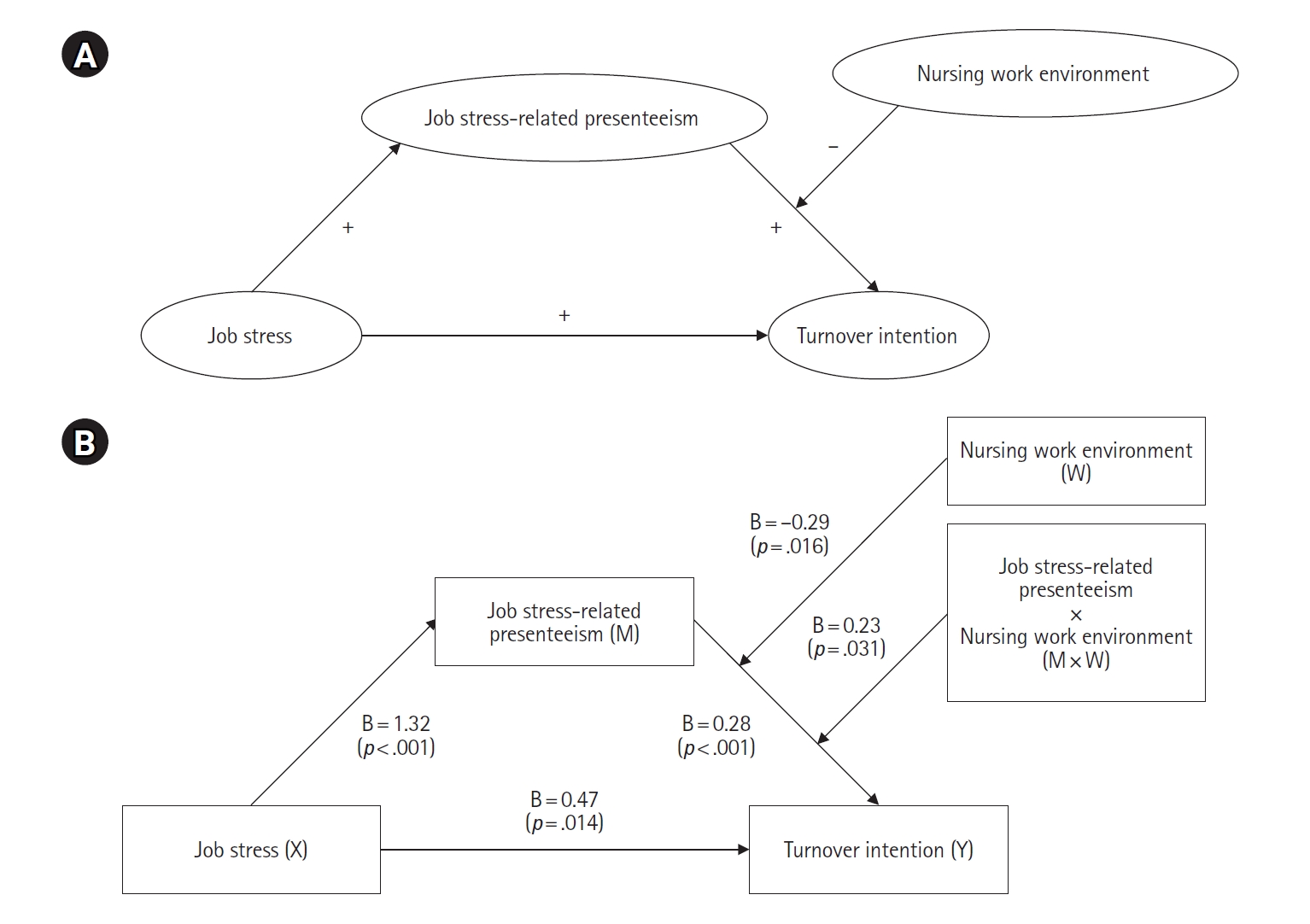
This study examined the mediating effect of job stress-related presenteeism and the moderated mediating effect of the nursing work environment on the relationship between job stress and nurses’ turnover intention. Methods: A predictive correlational research design was employed from September 8 to September 26, 2023, involving 176 nurses working in general and tertiary hospitals nationwide. Data were analyzed using IBM SPSS Statistics version 25.0, the PROCESS macro version 4.2, and the EasyFlow Statistics macro version 1.8. Results: The mean scores were 2.76±0.38 for job stress, 3.11±0.81 for job stress-related presenteeism, 2.47±0.50 for nursing work environment, and 3.57±0.75 for turnover intention. Job stress was positively associated with turnover intention through job stress-related presenteeism (B=1.32, p<.001), and the nursing work environment significantly moderated this partial mediating effect (B=0.31; 95% CI, 0.04~0.53). Conclusion: These findings may inform the development of strategies and policies aimed at reducing nurses’ turnover intention and improving human resource management in clinical settings. In addition, this study contributes to the growing body of research on job stress, job stress-related presenteeism, nursing work environment, and turnover intention among nurses.
Purpose
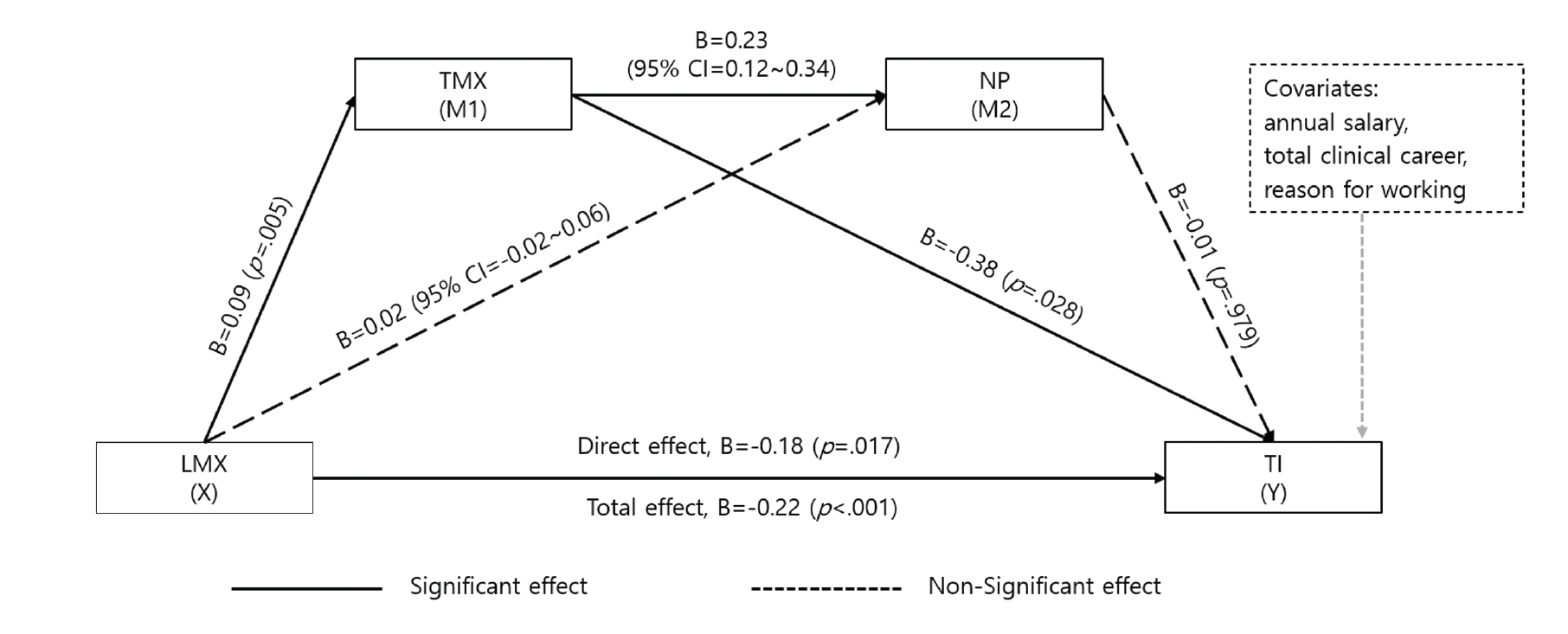
This study aimed to examine the mediating pathways of team-member exchange and nursing performance in the relationship between leader-member exchange and turnover intention among competent-stage nurses. Methods: Participants were 214 clinical nurses with 3–6 years of experience working in tertiary hospitals in South Korea. Data were collected using self-reported questionnaires on general characteristics, leader-member exchange, team-member exchange, nursing performance, and turnover intention between September 30 and November 4, 2024. Data were analyzed using IBM SPSS version 29.0 and PROCESS macro version 4.2. Results: Leader-member exchange had a significant positive effect on team-member exchange and a significant negative effect on turnover intention. Team-member exchange significantly mediated the relationship between leader-member exchange and turnover intention. In contrast, nursing performance did not mediate this relationship, and the sequential mediating effect of team-member exchange and nursing performance was not statistically significant. Conclusion: Further research focused on competent-stage nurses is needed to identify targeted interventions for reducing turnover intention. These findings suggest that hospital organizations should develop and implement programs that strengthen leader-member exchange between nurses and nursing leaders and team-member exchange among colleagues, which may help reduce turnover intention among competent-stage nurses.
Purpose
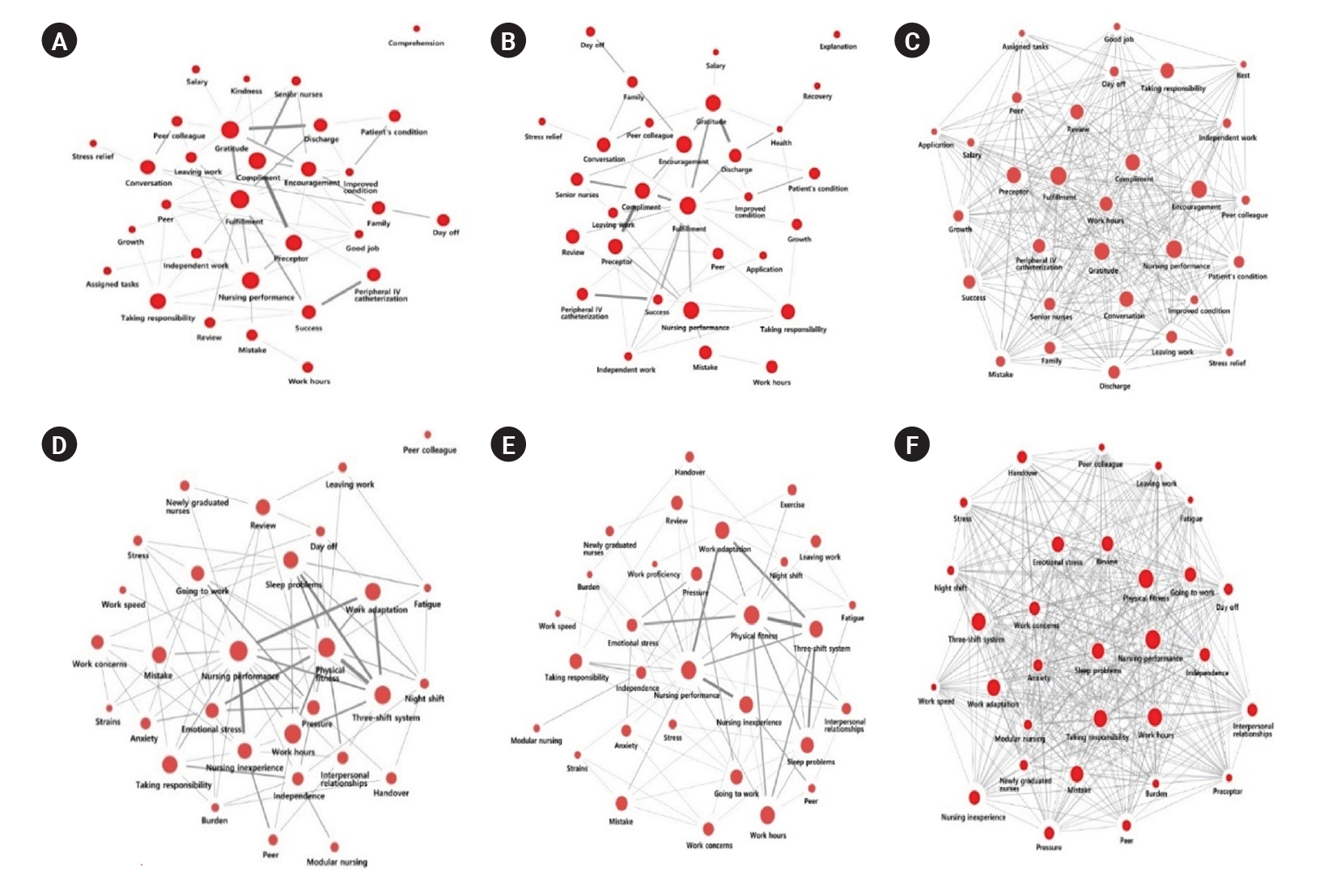
This study identified themes associated with the clinical adaptation of newly graduated nurses. Methods: We collected 522 interview journals from newly graduated nurses and nurse educators at a tertiary hospital between January 2021 and December 2023. After excluding incomplete data, 407 “promoting enjoyment” entries and 426 “presenting challenges” entries were analyzed using network analysis and topic modeling in NetMiner 4.5.1. Results: Topic modeling identified four themes in each category. For promoting enjoyment, the themes were: “Upon completing my designated responsibilities, I depart from the workplace,” “On my days off, I enjoy indulging in my favorite activities,” “Being recognized by my colleagues makes me feel like I’m contributing my part to the team,” and “The condition of my patient has improved.” For presenting challenges, the themes were: “The numerous responsibilities I must handle make it difficult to complete everything within the designated time frame,” “I struggle with both my tasks and relationships with colleagues,” “I’m anxious about caring for patients on my own,” and “Irregular shift patterns and occupational distress significantly impair my sleep quality.” Conclusion: Educational methodologies need to be developed to facilitate the clinical adaptation of newly graduated nurses. These findings can inform the Ministry of Health and Welfare’s nurse educator policy and future nursing workforce strategies.
Purpose
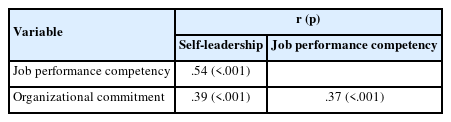
This study aimed to determine the effects of self-leadership on job performance competency and organizational commitment among insurance review nurses. Methods: A nationwide online survey was conducted using structured questionnaires. Participants included 189 insurance review nurses working in advanced general hospitals and general hospitals in South Korea. Data were collected through self-administered questionnaires between August 19 and September 17, 2021. Data analysis was performed using descriptive statistics, independent t-tests, one-way analysis of variance, Pearson’s correlation coefficients, and hierarchical multiple regression with IBM SPSS version 23.0. Results: The mean score for self-leadership was 3.64±0.43 out of 5, for job performance competency was 3.10±0.68 out of 5, and for organizational commitment was 4.38±1.09 out of 7. Statistically significant positive correlations were observed among self-leadership, job performance competency, and organizational commitment in insurance review nurses. Hierarchical multiple regression analysis showed that self-leadership explained an additional 13.9 percentage points of variance in job performance competency and an additional 5.3 percentage points in organizational commitment. Self-leadership emerged as a statistically significant predictor of both job performance competency and organizational commitment. Conclusion: This study empirically demonstrates that self-leadership has significant effects on job performance competency and organizational commitment among insurance review nurses. These findings provide empirical evidence relevant to human resource management strategies for insurance review nurses.
Purpose
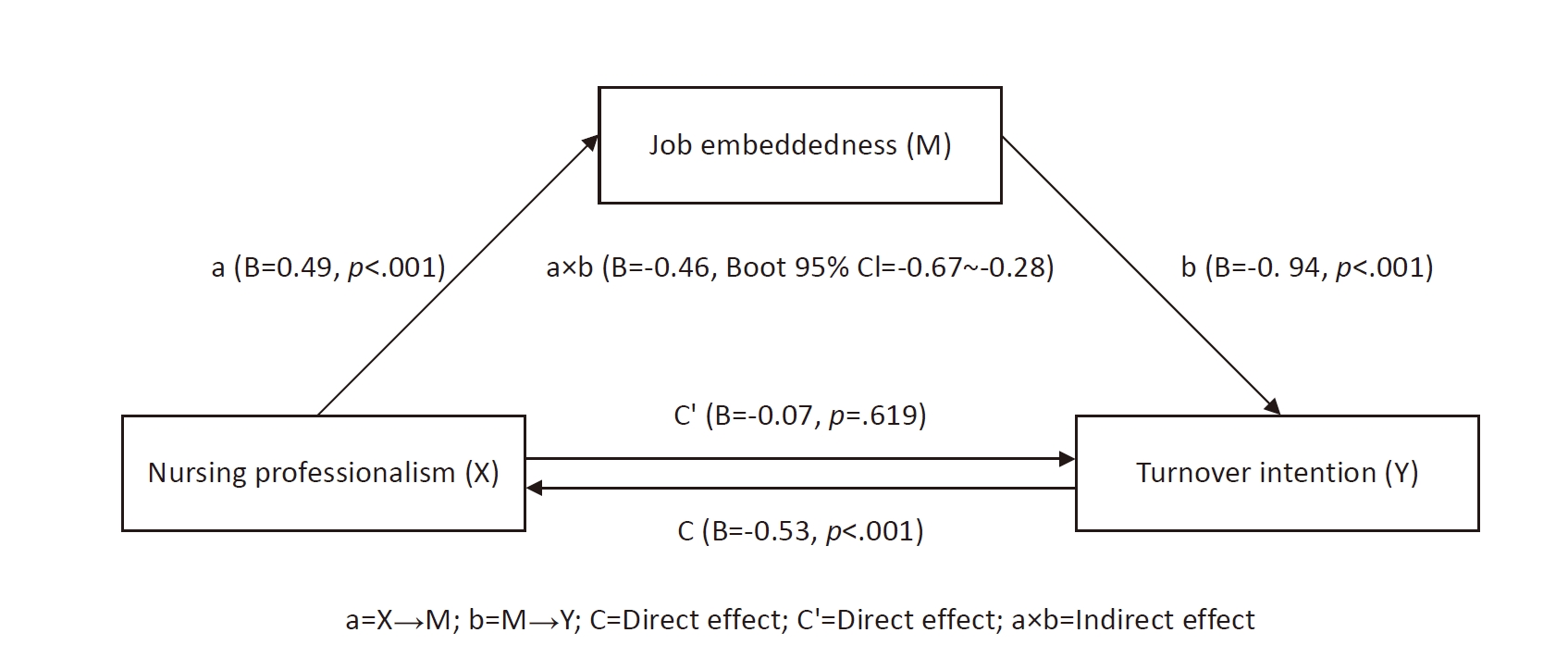
This study investigates the mediating effect of job embeddedness in the relationship between nursing professionalism and turnover intention among clinical nurses. Methods: A nationwide online survey was conducted using a structured questionnaire. Participants included 204 clinical nurses from tertiary hospitals in South Korea. Data on general characteristics, nursing professionalism, job embeddedness, and turnover intention were collected through self-reported questionnaires from March 19 to March 22, 2024. The analysis involved descriptive statistics, independent t-tests, one-way analysis of variance, Scheffé test, Pearson's correlation coefficients, multiple linear regression analysis, and bootstrapping, using SPSS/WIN version 29.0 and the SPSS PROCESS macro 4.2 version programs. Results: The mean score of nursing professionalism was 3.48±0.45 out of 5, job embeddedness was 3.13±0.52 out of 5, and turnover intention was 2.80±1.00 out of 5. Nursing professionalism did not directly impact turnover intention (B=-0.07, p=.649). Job embeddedness acted as a mediating factor in the relationship between nursing professionalism and turnover intention (B=-0.46, p<.05). Conclusion: These findings suggest that increasing job embeddedness can reduce nurses' turnover intention. Therefore, to decrease nurses' turnover intention, it is essential to enhance nursing professionalism while simultaneously promoting job embeddedness.
Purpose
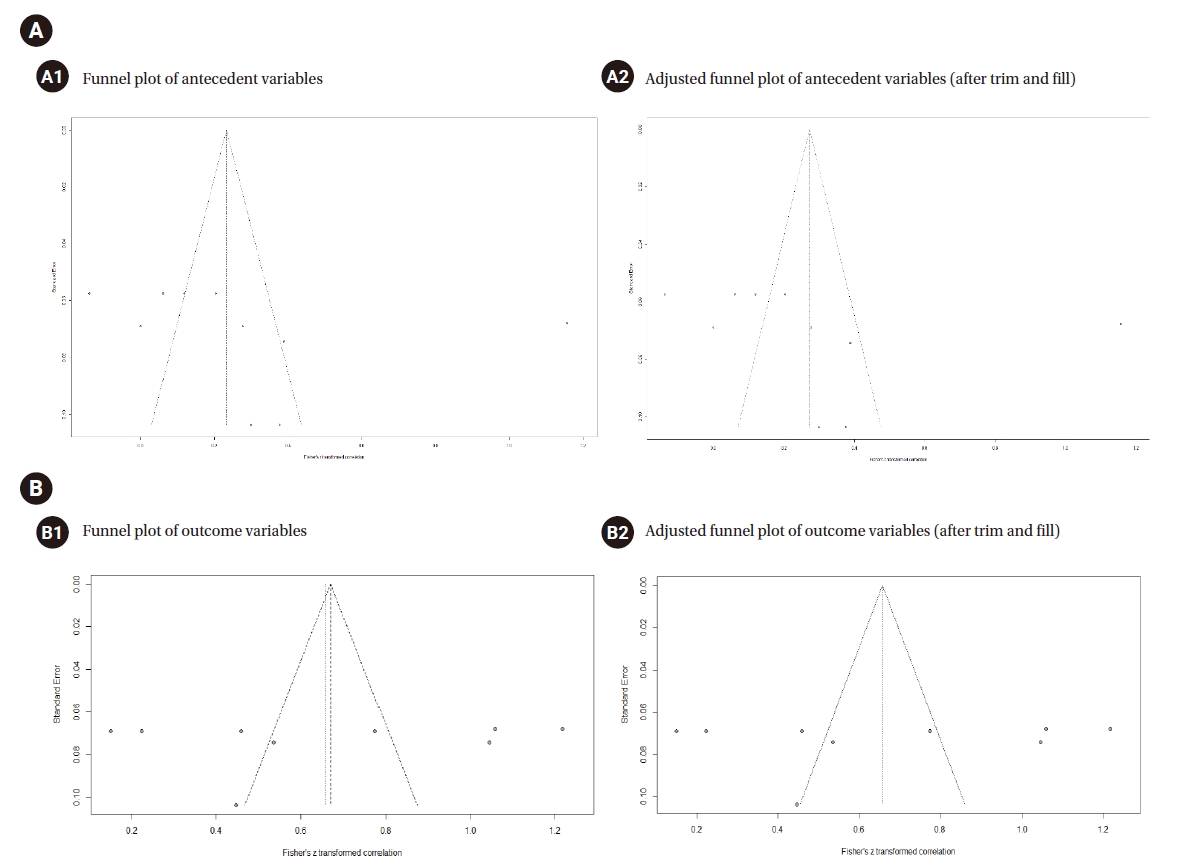
This study aimed to conduct a systematic review to explore leadership-related variables among nurses in the novice and advanced beginner stages, identify research trends, and analyze effect sizes to provide evidence for developing a nursing leadership program. Methods: A systematic review and meta-analysis were conducted according to PRISMA(Preferred Reporting Items for Systematic Reviews and Meta-Analyses) and NECA (National Evidence based Healthcare Collaborating Agency) guidelines. Literature was searched from February 26 to April 26, 2024 using databases including KISS, KMbase, RISS, KoreaMed, Science ON, CINAHL, CENTRAL, Embase, PubMed, Web of Science, and Korean nursing journals. Meta-analysis was performed using R version 3.6.2. Results: From 589 articles, five studies were selected. Self-leadership was most frequently studied topic (80.0%). Leadership antecedents with k≥2 included preceptor’s clinical teaching behavior (correlation effect size [ESr], 0.34). For leadership outcomes, effect size analyses for cases with k≥2 indicated resilience (ESr, 0.72), nursing performance (ESr, 0.69), and organizational socialization (ESr, 0.31), with resilience demonstrating the largest effect. Conclusion: Preceptor’s clinical teaching behavior, resilience, nursing performance, and organizational socialization were identified as critical factors in leadership of the nurses at novice and advanced beginner stage. Enhancing leadership requires preceptor support, which can improve resilience and help early-career nurses overcome challenges. Therefore, strategies for leadership development must include specific measures to ensure preceptor support.
Purpose
This study aimed to explore customer perspectives of nursing services in tertiary hospitals. Methods The data comprised mobile Voice Of Customer (VOC) data related to “nursing” or “nurses” generated from June 25, 2019, to December 31, 2022, in a tertiary hospital. A total of 44,727 VOC data points were collected, of which 4,040 were selected for the final analysis. Text network analysis and topic modeling were conducted using NetMiner 4.5.1. Results Topic modeling identified five topics for positive aspects and four topics for areas requiring improvement. The positive aspects were: 1) sincere nursing care; 2) rapid response from professional medical staff; 3) teamwork for delivering customer-centric services; 4) provision and coordination of system-based healthcare services; and 5) customer-focused responsiveness. The areas requiring improvement were: 1) demand for skilled nursing care tailored to customer expectations; 2) demand for enhanced communication and reduced mechanical responses; 3) demand for appropriate handling of diverse situations; and 4) demand for overall improvements to the healthcare system, including reservation systems. Conclusion These results may be used to enhance customer and patient experiences in tertiary hospitals and are necessary for utilization from a hospital management perspective.
Purpose
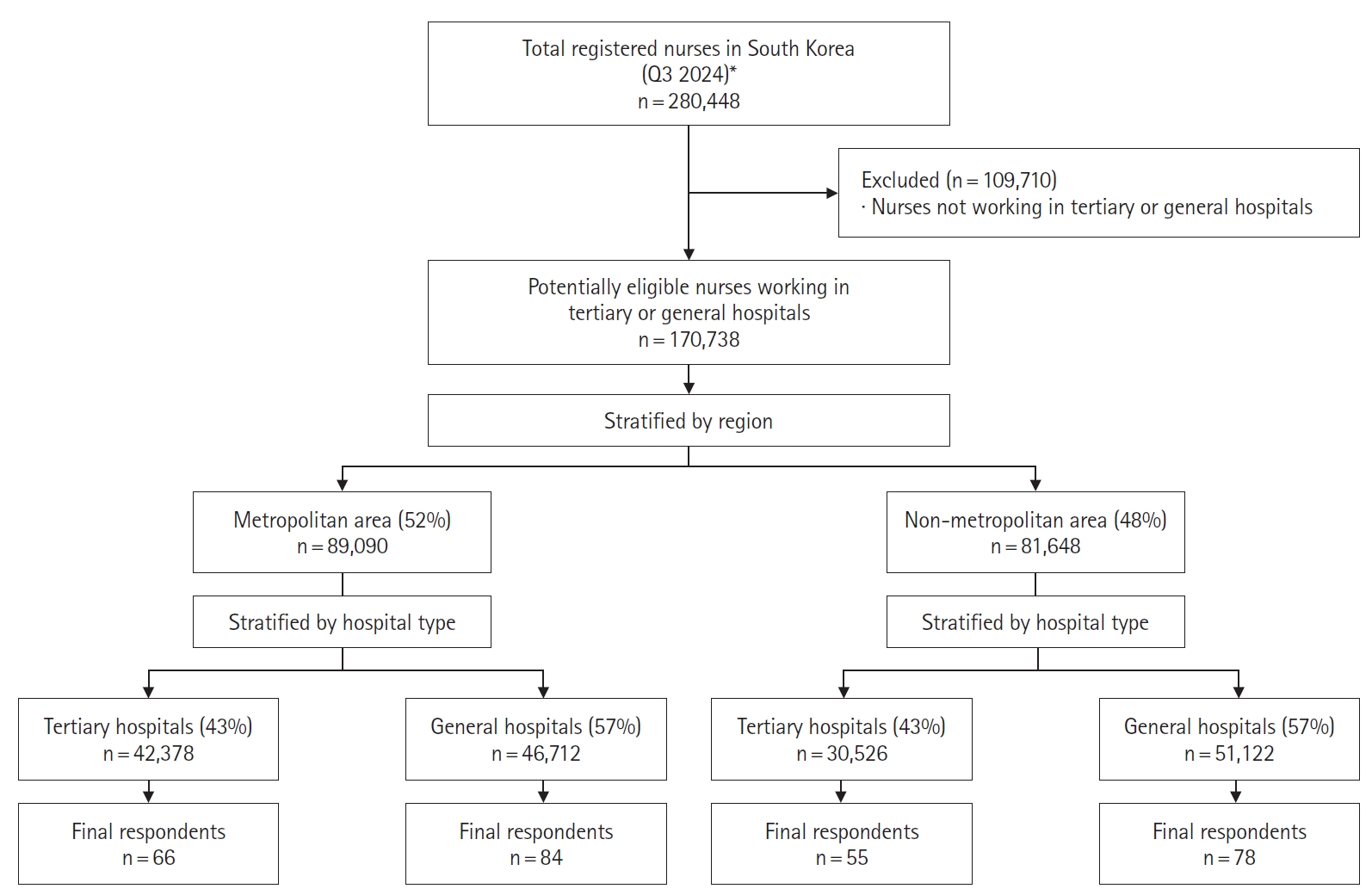
This study aimed to identify leadership development needs among novice and advanced beginner nurses sand provide empirical evidence for developing targeted leadership competency enhancement programs. Methods: Data were collected through a nationwide online survey from January 15 to February 28, 2025, using proportional quota sampling. The sampling quotas reflected hospital region and hospital type. Data from 283 nurses were analyzed. Descriptive statistics, including frequencies, percentages, means, and standard deviations, were calculated using IBM SPSS version 27.0. Results: Participants had a mean age of 27.5 years and a mean clinical experience of 1.75 years. Self-leadership was the leadership type most desired for development (3.97±0.84). The need for leadership programs was high among nurses with 1–3 years of clinical experience, with a mean score of 3.90. The most desired competencies were clinical performance and practical skills (49.1%), stress management (40.3%), and communication (39.2%). Intention to use mobile-based leadership programs was moderate. Short video lectures (70.0%) and self-directed learning (42.8%) were the most preferred content format and learning method, respectively. Conclusion: These findings indicate a need for practical, systematic programs centered on self-leadership that address clinical performance, practical skills, stress management, and communication during the early career stage of nursing.
|
|